From Leadership to Self-Leadership: Why Listening Is the Foundation of Resilience
Welcome to The Bend Like Bamboo Resilience Show
We discover that our greatest challenges often become our greatest strengths.
Each month, I sit down with remarkable leaders who've transformed adversity into triumph, sharing their inspiring journeys of resilience and renewal. Together, we explore the mindset shifts, practical strategies, and breakthrough moments that turned their setbacks into comebacks.
What you'll discover:
Real stories of people who've learned to bend without breaking, actionable tools to transform stress into strength, and evidence that when we change our story, we change what's possible for our health, relationships, and future.
Like bamboo, we're designed to be flexible.
When we embrace this truth, we don't just survive life's storms - we use them to grow stronger, wiser, and more resilient than ever before.
Join me as we explore how flexibility builds unshakeable resilience.
"The tools we use to develop leaders are just as effective for personal growth."
What if the leadership skills taught in corporate boardrooms could heal burnout? What if the same frameworks that help executives make million-dollar decisions could help you navigate chronic stress, rebuild after illness, or find your way back to yourself?
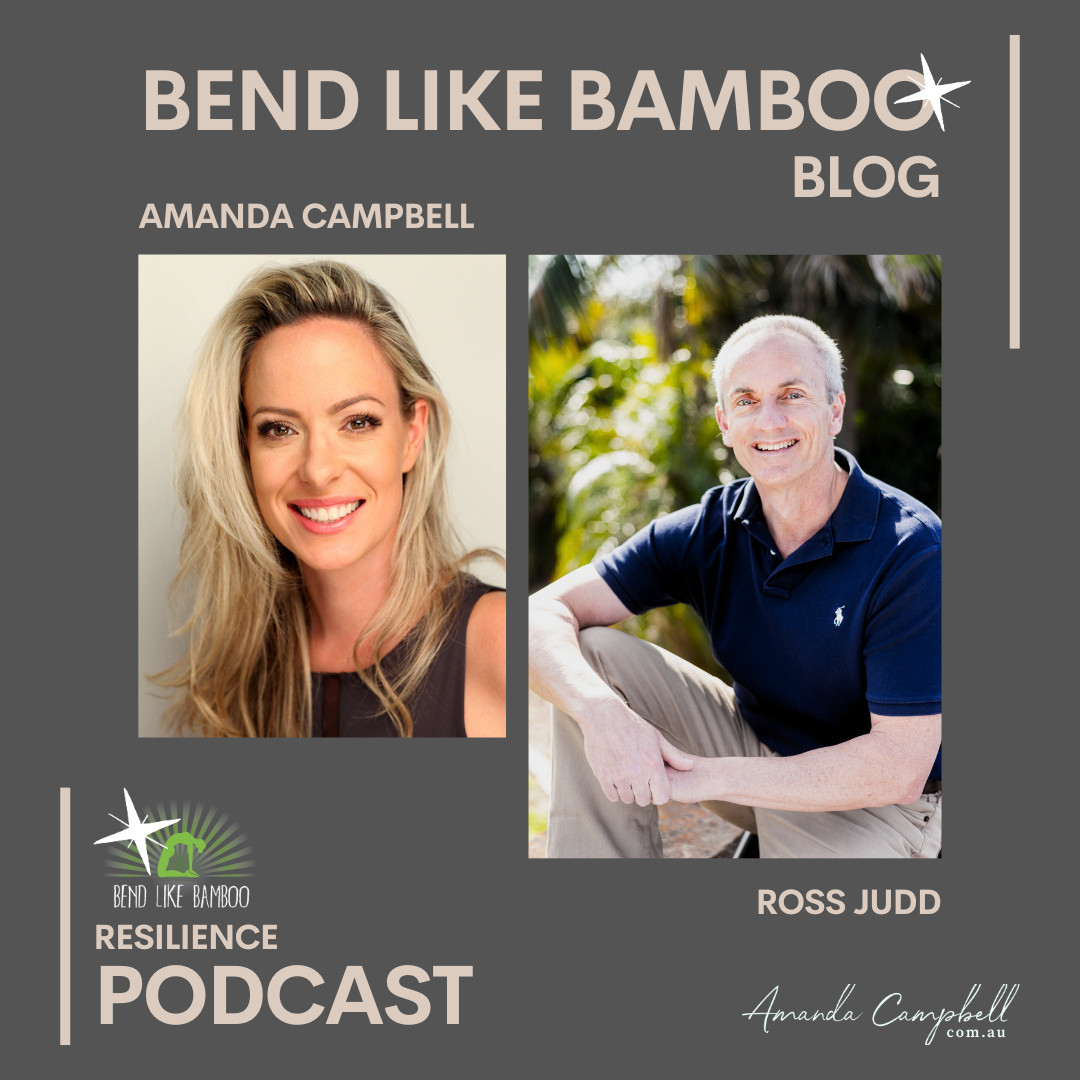
Ross Judd has spent 30 years proving this isn't just possible, it's transformational.
As a self-development coach, facilitator, and speaker, Ross has worked across every state in Australia, New Zealand, and Asia, supporting thousands of people—from frontline leaders to music teachers to prison officers, through powerful personal change.
His message is simple but profound: self-leadership is self-development. And the foundation of both? Learning to truly listen.
That's why I'm thrilled to welcome Ross to the Bend Like Bamboo podcast, because his work bridges the exact space where leadership meets resilience, where burnout meets breakthrough, and where listening becomes the most powerful tool we have for bending without breaking.
The Leadership Coach Who Teaches You to Listen to Yourself
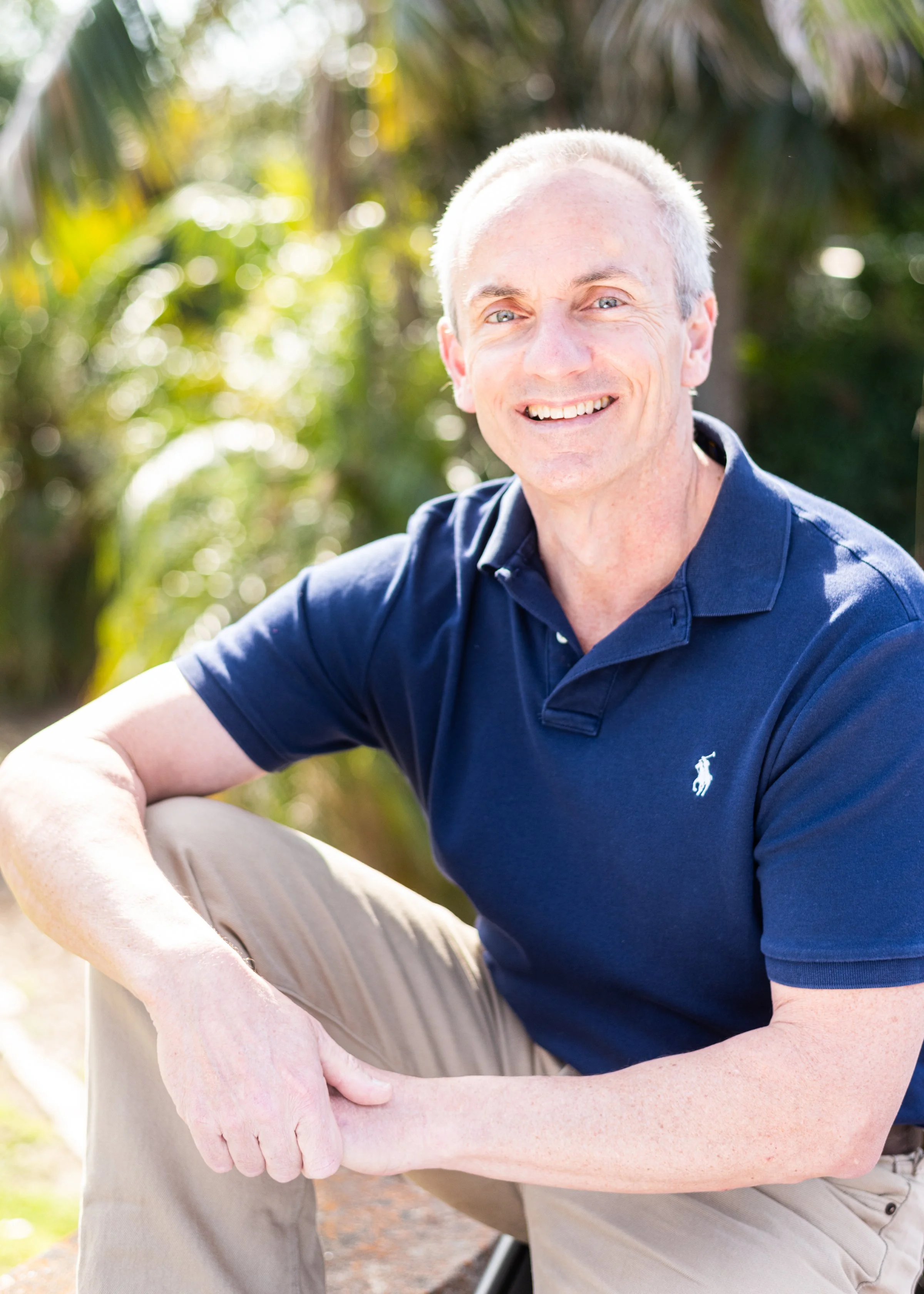
Ross's journey into leadership coaching began over 40 years ago with experiential leadership activities—challenging scenarios that forced people to confront how they actually showed up under pressure, not how they thought they did.
After 35 years as a barrister and decades facilitating leadership development workshops, Ross discovered something crucial:
The same tools that help leaders perform under pressure are exactly what people need to heal, grow, and transform personally.
Think about it:
Leaders navigating high-stakes decisions need to regulate their nervous systems under stress
People healing from burnout need to do the same thing
Executives managing teams need to listen deeply without fixing or dismissing
Partners supporting each other through illness need to do the same thing
The skills are identical. The stakes are equally high. The only difference is the setting.
And that's where Ross's work becomes essential, because he's taken decades of leadership development expertise and distilled it into practical tools that work at home, in relationships, during crisis, and through transformation.
Listening: The Book That Teaches What Medicine Doesn't
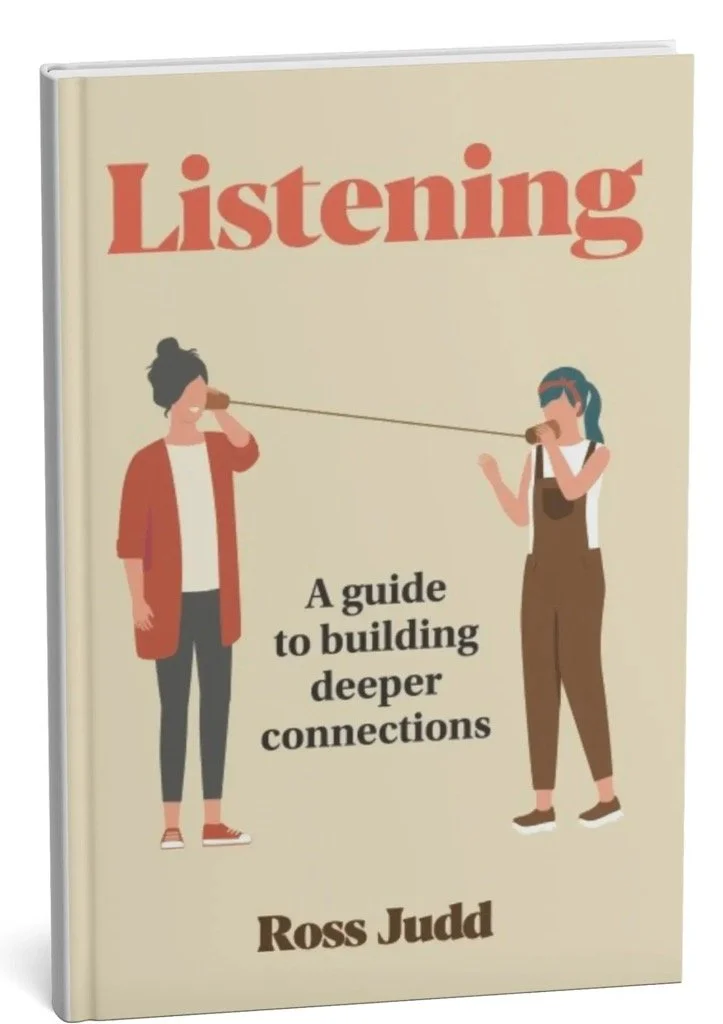
Ross's book, Listening: A Guide to Building Deeper Connections, was developed through decades of teaching people to listen more effectively as leaders and colleagues.
But here's what makes it extraordinary:
It's not a corporate manual. It's a guide for supporting the people you love when they're feeling vulnerable, worried, upset, or scared.
For my HEAL listeners managing chronic illness or autoimmune conditions: how many times have you tried to share what you're going through, only to be met with advice, dismissal, or someone trying to fix you instead of simply hearing you?
For my THRIVE listeners experiencing burnout or leadership fatigue: how often have you needed to process what you're carrying, but the person listening immediately jumped to solutions instead of just holding space?
Ross teaches a different way. A way that creates the safety people need to actually heal, process, and transform.
Because here's the truth about resilience that most people miss:
You can't bend if you're not first heard.
The Integrated Values Model: Building Resilience from the Inside Out
At the core of Ross's work is something called the Integrated Values Model of Sustainable Change—a framework that maps how real, lasting transformation actually happens.
It's structured in five layers, working from the surface down to your deepest why:
-
These are the measurable, tangible things you want to achieve—connection, trust, a specific relationship, a health milestone, a career goal.
For HEAL: This might be remission, pain relief, energy to play with your kids, a body that feels like home again.
For THRIVE: This might be a thriving business, a promotion, work-life balance, sustainable success without burnout.
These outcomes matter. But Ross teaches that chasing outcomes without understanding the layers beneath them is why most change doesn't stick.
-
These are the behaviours you value most—the actions and habits that will help you achieve your outcomes.
Think about: What daily practices actually move you towards what you want? What are you consistently doing or avoiding?
For HEAL: This might be prioritising rest, saying no to energy drains, moving your body gently, eating in a way that supports healing.
For THRIVE: This might be setting boundaries, delegating, building recovery into your week, choosing presence over productivity.
But here's where most people get stuck: They know what behaviours they need, but they can't sustain them. Why?
Because behaviours are driven by the layer beneath them.
-
These are the thoughts and beliefs—the mindsets—that drive your behaviour in ways you may not even realise.
This is where the real work lives.
If you believe rest is lazy, you won't prioritise recovery—even when your body is screaming for it.
If you believe your worth is tied to productivity, you'll burn out trying to prove you're enough.
If you believe symptoms are enemies instead of messengers, you'll fight your body instead of listening to it.
Ross teaches that sustainable change requires examining and shifting these belief values—because they're the invisible architecture holding your current reality in place.
For my HEAL listeners: What beliefs about your body, your illness, or your worthiness are driving behaviours that keep you stuck?
For my THRIVE listeners: What beliefs about success, rest, or leadership are fuelling the burnout you're trying to escape?
This is the layer where resilience is built or broken.
-
These create your identity—the character traits you want to develop.
Honesty. Integrity. Authenticity. Being trustworthy. Being someone who shows up with compassion. Being a leader who doesn't sacrifice their health for success.
This is about who you're becoming, not just what you're achieving.
Ross asks: What kind of person do you want to be on the other side of this challenge?
For HEAL: Do you want to be someone who trusts their body? Someone who advocates for themselves? Someone who bends without breaking?
For THRIVE: Do you want to be a leader who models sustainable success? Someone who prioritises people over profit? Someone whose presence is grounded, not frantic?
Character values shape your purpose. They become the reason you're committed to change—even when it's hard.
-
This is the deepest layer—the why beneath the why.
Greater purpose values give meaning to what you're doing. They shape your purpose and become the reason you stay committed when everything else falls away.
It's about connecting to something bigger than yourself:
A healthy relationship
Helping people
Supporting someone you care about
Leaving a legacy
Breaking generational patterns
Modelling what's possible for others
Ross teaches that when your change is rooted in greater purpose, it becomes sustainable—because you're not just chasing an outcome. You're living in alignment with what matters most.
For my HEAL listeners: Your healing isn't just about you. It's about showing your kids what resilience looks like. It's about proving that bodies can recover when given what they need. It's about refusing to accept "unfixable" as the final word.
For my THRIVE listeners: Your burnout recovery isn't just about you. It's about modelling sustainable leadership for your team. It's about building a business that doesn't require you to sacrifice your wellbeing. It's about proving that success and health aren't mutually exclusive.
When you connect to your greater purpose, you stop quitting when it gets hard. Because the reason you're doing it outlasts the discomfort of change.
Why This Work Resonates: The Philosophy of Bending Like Bamboo
What draws me to Ross's Integrated Values Model is how beautifully it reflects a truth I've witnessed in my own practice:
Resilience isn't about being rigid or unbreakable. It's about building roots deep enough that you can bend without snapping.
Think about bamboo in a storm. It doesn't resist the wind—that would break it. Instead, it bends, flexes, adapts. And when the storm passes, it springs back because its foundation is strong.
Ross's model teaches you how to build that foundation—from the inside out.
When your values are clear (you know who you are and why you're here), when your beliefs support your wellbeing instead of sabotaging it, when your behaviours align with who you want to become—that's when you develop the flexibility to weather life's storms without breaking.
That's sustainable transformation. That's what bamboo does. That's what Ross's framework creates.
And it's why his work resonates so deeply with The Bamboo Method, because we're both saying the same thing through different lenses: You can't skip the foundation work. You can't chase outcomes without addressing what's beneath them. And true resilience comes from flexibility rooted in deep self-knowledge.
Listening as a Resilience Practice
Here's where Ross's work gets even more powerful:
Listening—real, deep, uninterrupted listening—is one of the most undervalued resilience tools we have.
Think about the last time you were truly heard.
Not advised. Not fixed. Not dismissed with "you'll be fine" or "at least it's not worse."
Just... heard.
That experience—of being fully witnessed without judgement, is what creates the safety your nervous system needs to actually heal.
For my HEAL listeners: Your body has been sending signals for years. Symptoms. Pain. Fatigue. Inflammation. But have you been listening? Or have you been fighting, suppressing, pushing through?
Listening to your body—without judgement, without fixing—is how healing begins.
For my THRIVE listeners: Your nervous system has been screaming for rest. But have you been listening? Or have you been overriding it with willpower, coffee, and "just one more thing"?
Listening to your capacity—without shame, without pushing—is how you prevent the collapse.
Ross teaches that listening isn't passive. It's the most active, courageous thing you can do.
Because when you truly listen:
You stop dismissing signals as weaknesses
You start seeing symptoms as messengers
You create space for truth instead of forcing performance
You allow others to process instead of rushing them to solutions
And that space—that listening—is where resilience is built.
The Leadership Skills That Heal Burnout
Ross's entire philosophy rests on one powerful truth:
Self-leadership is the foundation of personal success.
Over 30 years, he's helped people apply leadership models to:
Build better relationships
Improve self-awareness
Navigate major life transitions
Overcome personal roadblocks
Develop emotional resilience
Not in boardrooms. In living rooms. In marriages. In recovery. In rebuilding.
His qualifications—Master's in Communication Management, certifications in Human Synergistics, DiSC, MBTI, Situational Leadership, NLP Practitioner—aren't just corporate credentials.
They're tools for transformation. And he's spent decades refining them until they're practical, relevant, and easy to apply in everyday life.
Here's what that looks like in practice:
For someone healing from chronic illness:
Leadership skill: Managing stress under pressure → Regulating your nervous system during flare-ups
Leadership skill: Strategic decision-making → Choosing treatments that align with your values, not fear
Leadership skill: Delegation → Asking for help without guilt
For someone recovering from burnout:
Leadership skill: Setting team boundaries → Setting personal boundaries without apologising
Leadership skill: Sustainable performance → Sustainable energy management
Leadership skill: Inspiring others → Modelling health as a non-negotiable
The tools are the same. The transformation is just as profound.
Why Listening to Yourself Is the Most Radical Act
Here's the pattern Ross and I both see constantly:
People know what they need. They just don't trust it.
You know you need rest. But you keep pushing. You know you need boundaries. But you keep saying yes. You know your body is telling you something. But you keep overriding it.
Why?
Because somewhere along the way, you learnt that:
Your needs don't matter as much as other people's
Listening to your body is selfish
Rest is lazy
Boundaries are mean
Slowing down means falling behind
These are belief values. And they're driving behaviours that are breaking you.
Ross's work—and mine—is about giving you permission to listen. To trust. To honour what's true for you.
Not what you've been told you should do. What your body, your nervous system, your values are actually asking for.
That's self-leadership. That's resilience. That's how you bend without breaking.
Turn Leadership Strategies Into Personal Breakthroughs
Ross's work proves something I've witnessed in my kinesiology practice for over 16 years:
The frameworks that help people lead teams, make strategic decisions, and perform under pressure are the exact same frameworks that help people heal, transform, and thrive personally.
You don't need different tools for professional success and personal wellbeing.
You need to apply the same tools in both spaces.
And the foundation of all of it? Listening.
Listening to your body when it signals overwhelm
Listening to your nervous system when it asks for rest
Listening to your values when they conflict with external expectations
Listening to the people you love without fixing or dismissing them
Listening to yourself when you know something needs to change
Ross teaches that sustainable change—whether in leadership, relationships, or health—requires working through all five layers of the Integrated Values Model.
Because if you only chase outcomes without addressing beliefs, you'll keep hitting the same wall.
What Resilience Actually Looks Like
After three decades of coaching leaders and facilitating transformation, Ross has seen one truth play out over and over:
Resilience isn't about being unbreakable. It's about having the flexibility to bend, the foundation to stay rooted, and the self-awareness to know when to rest.
It's about:
Knowing your values so deeply that external pressure doesn't shake you
Building behaviours that align with who you want to become, not who you've been
Shifting beliefs that keep you stuck in patterns that no longer serve you
Connecting to a greater purpose that sustains you when willpower runs out
Listening—to yourself, to your body, to others—as a practice, not a one-time event
This is what bamboo does. It bends with the storm because its roots run deep. It doesn't resist. It adapts. And when the storm passes, it's still standing.
Ross's Integrated Values Model teaches you how to build those roots.
Ross's Message
Whether you're navigating chronic illness, recovering from burnout, rebuilding after crisis, or simply trying to become a stronger version of yourself, Ross's work offers a roadmap.
Not a quick fix. Not a productivity hack. A genuine framework for sustainable transformation.
Because leadership development when turned inward, becomes self-development.
And self-development, done well, builds resilience that lasts.
As Ross says: "It's leadership development—turned inward."
And that inward work? That's where everything changes.

Connect with Ross Judd
Explore Ross's Work:
📖 Book: Listening: A Guide to Building Deeper Connections
Available in bookstores across Australia and online
🌐 Website: https://rossjudd.com
Leadership development, self-help concepts, and practical tools for personal growth
📧 Email: ross@teamfocusplus.com
📱 Phone: 0412 490 250
What You'll Find:
Online courses in self-leadership and coaching
Books that inspire transformation
Practical tools for communication and emotional resilience
Resources for book clubs and personal development
Ross's Approach:
Strengthen communication skills
Boost confidence and clarity
Overcome personal roadblocks
Use leadership insights to support real growth
Access practical tools for self-improvement and emotional resilience
Because resilience isn't about being unbreakable. It's about learning to listen, building deep roots, and bending with life's storms instead of resisting them.
And sometimes, the most powerful thing you can do is simply listen—to yourself, to your body, to what's actually true.


Ready to build sustainable resilience? Here's how to work with me:
🌿 HEAL – If you're managing autoimmune conditions, chronic stress, or health challenges
Deep-dive 1:1 support with kinesiology and nervous system regulation
→ Learn about HEAL: https://www.bendlikebamboo.com/heal-bamboo-method
🌿THRIVE – If you're a leader, coach, or practitioner experiencing burnout, this intensive 1:1 program is for sustainable leadership without sacrificing your wellbeing
→ Learn about THRIVE: https://www.bendlikebamboo.com/thrive-bamboo-method
🌿 Foundations – Want the complete Bamboo Method at your own pace?
Self-paced digital course teaching all six pillars of resilience
→ Explore Foundations: https://www.bendlikebamboo.com/bamboo-foundations
Not sure which path is yours?
📍 Book a Free Clarity Call with me, and we’ll explore together.
https://www.bendlikebamboo.com/service-booking-clarity-call
Remember: With a flexible mindset, we can adapt, transform our story, and reimagine what's possible.
Free Resources:
The Podcast on iTunes
The Podcast on Spotify
Watch on YouTube
Free Resilience Toolkit
Connect:
Website: bendlikebamboo.com
Instagram: @bendlikebamboo
Facebook: @bendlikebamboo
LinkedIn: amanda-campbell-resilience-coach